
how to hire a contractor safely and avoid scams
Short answer
To hire a contractor safely and avoid scams, independently confirm professional credentials and retain financial leverage. Verify registration through your state licensing agency or local building department, and call the insurance carrier directly to confirm active coverage. Require a written contract specifying start dates, estimated completion dates, detailed scopes, and clear costs. Never pay in full upfront; use a credit card whenever possible to preserve dispute rights.
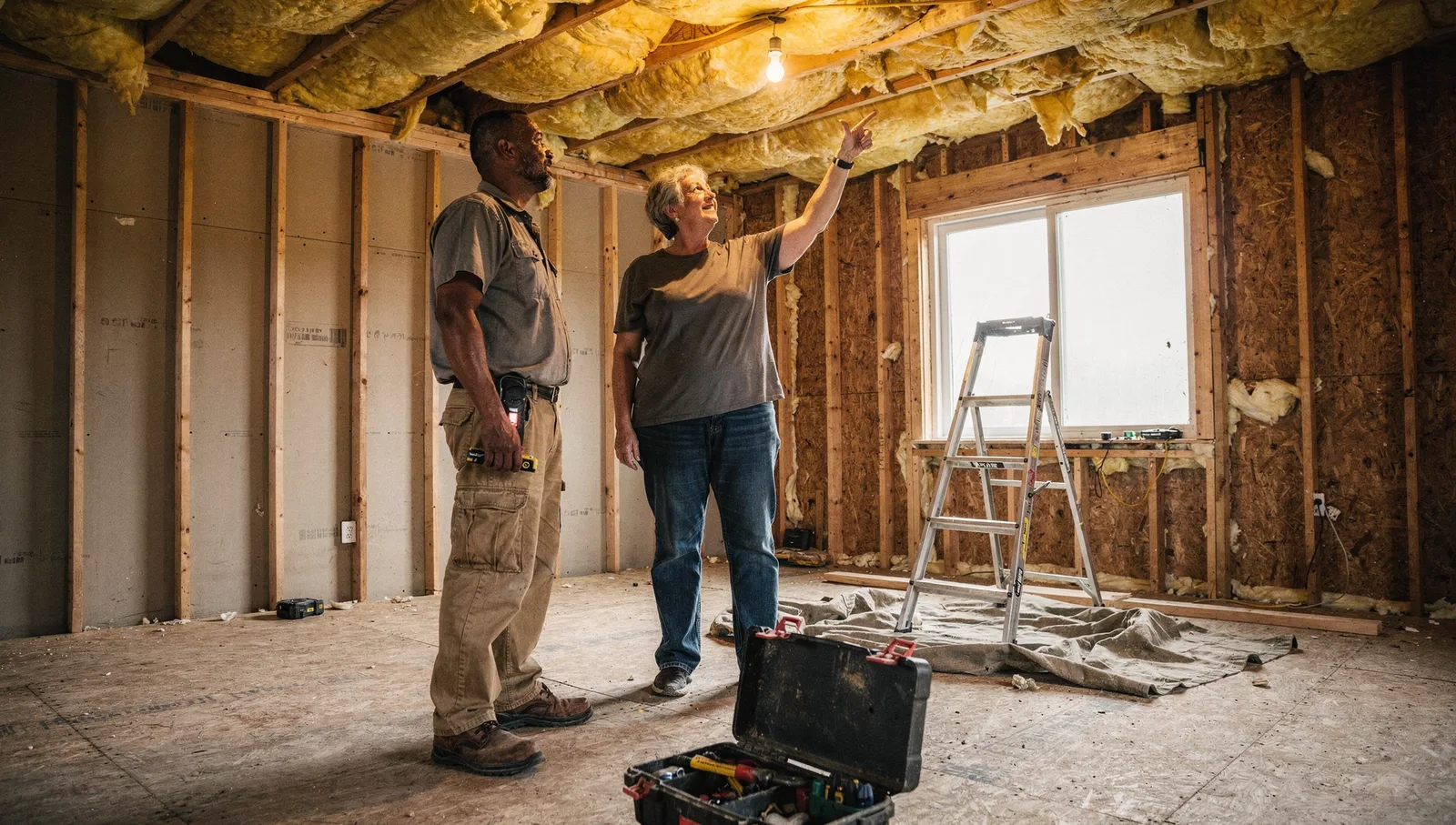
“Don’t sign contracts that say, “Homeowner agrees to the listed repairs for the value of insurance proceeds.””
Texas Department of Insurance, State Agency
Unsolicited sales pitches and undocumented handshakes represent major financial vulnerabilities for property owners. Knowing how to hire a contractor safely and avoid scams requires replacing blind trust with an active verification process. This protocol independently audits regulatory filings, municipal permits, and insurance carriers before any funds change hands.
- Audit state license registry
- Confirm municipal permit requirements
- Call insurance underwriter directly
- Execute itemized contract
- Release staged credit card payments
Identifying Common Contractor Scams and Warning Signs#
Home repair fraud frequently begins with predatory solicitation and artificial urgency. According to the Arizona Attorney General (2025-11-20), common signs of contracting scams include unsolicited contractors knocking on doors because they are "in the area" or claiming they have leftover materials from a previous job (azag.gov). These operators rush property owners into rapid payment decisions and discourage them from obtaining multiple quotes.
Recognizing these red flags allows property owners to stop fraudulent transactions before signing a commitment:
- Unsolicited doorstep visits claiming local availability or surplus inventory from nearby jobsites (azag.gov).
- Aggressive sales tactics that discourage getting multiple quotes or demand immediate payment decisions.
- Mandates for full upfront compensation or untraceable cash payments prior to starting.
Checking Licensing, Permitting, and Insurance Verification#
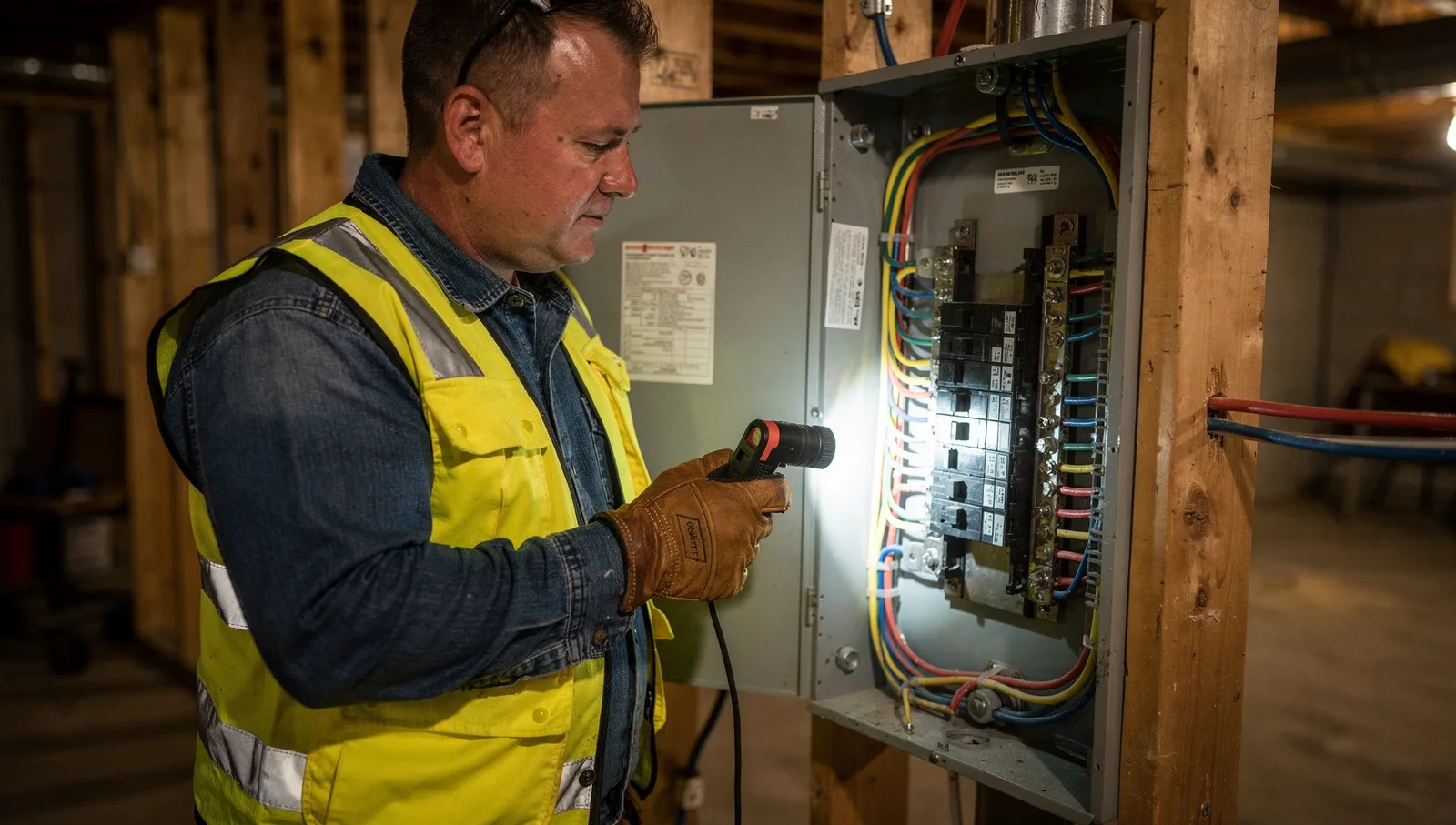
A secure hiring process requires independent verification of credentials through official regulatory agencies rather than relying on paper copies provided by the worker. Homeowners should never accept documentation at face value. Contact the issuing bodies directly to ensure that all registrations, surety bonds, and policies remain active and compliant.
| Verification Item | Authoritative Source | Verification Action | Key Protections |
|---|---|---|---|
| State License and Surety Bond | Arizona Registrar of Contractors (roc.az.gov) (roc.az.gov) | Run a free contractor search online | Confirms standing on signing day |
| State Program Registration | Massachusetts Contractor Hub (mass.gov) (mass.gov) | Verify active enrollment on portal | Confirms program standing |
| Municipal Registration and Permits | Local Building Departments (Ohio Department of Commerce) (com.ohio.gov) | Inquire on registration and permit mandates | Prevents code violations |
| Policy Coverage | Insurance Underwriter (Better Business Bureau) (bbb.org) | Call carrier directly to verify active status | Covers liability, injury, damage |
Checking licensing status depends on jurisdiction. In Arizona, property owners can verify if a contractor's license and bond are in good standing by running a free search on roc.az.gov on the day they sign (roc.az.gov). In Massachusetts, state guidance instructs homeowners to hire only professionals registered on the MA Contractor Hub to protect themselves (mass.gov). For commercial projects in Ohio, the Ohio Department of Commerce advises property owners to contact local building departments to confirm local licensing and identify project permit requirements (com.ohio.gov).
Insurance verification requires the same independent rigor. Consumers must obtain the carrier's contact details and call the insurer directly to verify active coverage for personal liability, property damage, and workers' compensation insurance (com.ohio.gov; bbb.org). Consumers should call a contractor's insurance carrier directly to confirm active coverage for workers' compensation, property damage, and personal liability.
Key Elements and Protections in Home Repair Contracts#
A comprehensive contract converts verbal agreements into legally enforceable benchmarks. Every agreement requires precise milestones, start dates, and clear project parameters.
The Illinois Attorney General advises homeowners to inspect contracts carefully to verify the inclusion of starting dates, estimated completion dates, total costs (including estimate charges), and a comprehensive description of the work performed (illinoisattorneygeneral.gov). In addition, the Texas Department of Insurance warns consumers never to sign contracts with blank spaces, as dishonest contractors can later insert unauthorized work or higher costs into those gaps (tdi.texas.gov).
Property owners should also establish clear procedures for unexpected changes. Incorporating formal change order terms ensures any modification to materials or structural labor requires written mutual consent. To protect property titles from an unexpected Mechanic's Lien filed by unpaid subcontractors or material suppliers, owners should demand a signed Lien Waiver alongside each progress billing.
Structuring Payment Schedules and Selecting Payment Methods#
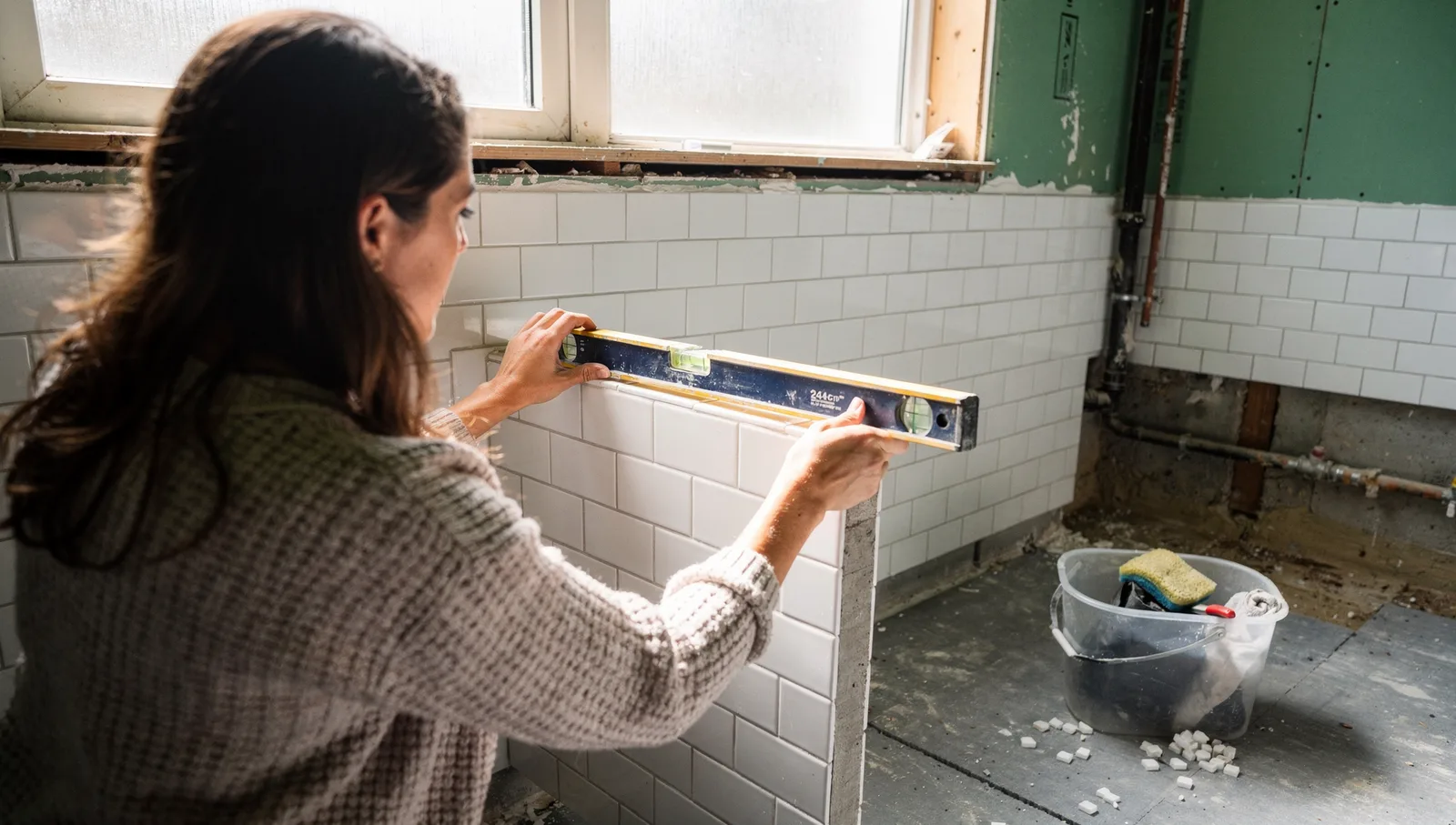
Payment structures should align financial incentives with verifiable construction progress. Resist demands for cash or total upfront payment, as demanding cash or full payment before completing a job serves as a red flag for potential fraud, according to the Illinois Attorney General (illinoisattorneygeneral.gov).
To maintain financial protection, property owners should execute a Milestone Payment Schedule rather than paying upfront. The Illinois Attorney General notes that a proper contract includes a payment schedule specifying the down payment, subsequent payments, and the final payment (illinoisattorneygeneral.gov). For comprehensive risk mitigation, complex projects can utilize an Escrow Agreement to hold funds until third-party inspectors sign off on milestone completions.
Payment method selection provides a critical layer of fraud defense. The Arizona Attorney General advises consumers to use a credit card whenever possible because it preserves the legal ability to dispute fraudulent transactions (azag.gov).
Protecting your property investment requires structured operational oversight. Prepare for your upcoming renovation by systematically verifying credentials, mandating itemized scopes, and securing consumer fraud protections:
- Confirm licensing, bonding, and municipal permit rules with state boards and local building offices (roc.az.gov; mass.gov; com.ohio.gov).
- Require an insurance certificate and call the issuing underwriter directly to ensure active coverage (bbb.org).
- Reject blank contract forms and secure clear start dates, completion estimates, and total costs in writing (illinoisattorneygeneral.gov; tdi.texas.gov).
- Set up an installment schedule tied to verified milestones and process payments with a credit card (azag.gov).
| Payment Method | Dispute and Fraud Recourse | Risk Profile | Regulatory Recommendation |
|---|---|---|---|
| Credit Card | Allows consumers to dispute fraudulent transactions directly with the card issuer | Lowest risk; preserves formal transaction records and payment recovery mechanisms | Recommended whenever possible by the Arizona Attorney General |
| Cash or Direct Bank Transfer (e.g., Zelle) | No recourse to dispute fraudulent charges or recover sent funds once transferred | High risk; untraceable and often associated with contractor fraud schemes | Identified as a red flag when demanded as the sole payment method |
| Gift Cards | No dispute mechanism; non-recoverable once redemption codes are shared | Critical risk; standard vehicle for construction scams and fraud | Explicitly flagged as a scam tactic by consumer protection agencies |
| Contract Component | Safe Contract Practice | Hazardous or Fraudulent Term | Consumer Risk of Omission or Inclusion |
|---|---|---|---|
| Scope of Work | Comprehensive, itemized description of all tasks and specified materials | Vague descriptions or signing off roof access under an 'estimate' release | Contractor installs substandard materials or fails to perform expected labor |
| Cost and Pricing | Itemized total cost for work performed, including estimate fees | Language assigning 'all insurance proceeds' or leaving blank pricing spaces | Contractor claims entire insurance checks or later inserts inflated costs |
| Project Timeline | Defined starting date and estimated completion date | Indefinite schedule with no commitment dates | Prolonged delays and open-ended projects without clear default terms |
| Payment Terms | Staged payment schedule detailing down payment, interim steps, and final balance | Demands for full upfront payment or complete payment prior to job completion | Loss of financial leverage, uncompleted work, or contractor abandonment |
Safe Contractor Payment Schedule Calculator
Helps homeowners structure safe contractor payment schedules to avoid upfront scams. It applies standard consumer protection limits for initial down payments (such as the widely recognized benchmark of 10% or $1,000 maximum deposit, codified by regulatory agencies like the California CSLB) and calculates recommended milestone allocations and final retention funds released only after punch-list completion and lien waivers.
Maximum Safe Initial Deposit:
Final Retention (Withheld until sign-off & lien waivers):
Total Balance for Verified Milestone Payments:
Frequently Asked Questions
What are red flags when hiring a contractor?
Warning signs include unsolicited door-to-door visits citing leftover materials or being in the area, discouragement from seeking multiple quotes, demands for upfront or cash-only payments, requests for checks made out to third parties, refusal to obtain required building permits, and asking homeowners to sign contracts containing blank spaces.
How to find a good local contractor?
To locate a trustworthy local professional, seek recommendations from people you know and trust, obtain at least three written bids on official business letterhead, verify business longevity using official names and addresses, and confirm active registration or licensing through official state rosters like the Arizona Registrar of Contractors or the Massachusetts Contractor Hub.
Sources
- How to hire a reliable and trustworthy general contractor - BBB (2026-10-03)
- Avoiding Home Improvement and Contractor Scams | Mass.gov - Mass (2026-10-03)
- After the Disaster: Avoid Contractor and Home Repair Scams – Consumer & Business - Dcba (2025-01-30)
- AZ ROC: Avoid Contracting Scams During Monsoon Season - ROC (2026-10-03)
- Home Repair Fraud - Illinoisattorneygeneral (2026-10-03)
- Attorney General Mayes Reminds Arizonans to Protect Themselves from Home Construction Scams | Attorney General's Office - Azag (2025-11-20)
- Verifying Licensed Contractors - COM (2026-10-03)
- How to avoid contracting scams - TDI (2026-10-03)